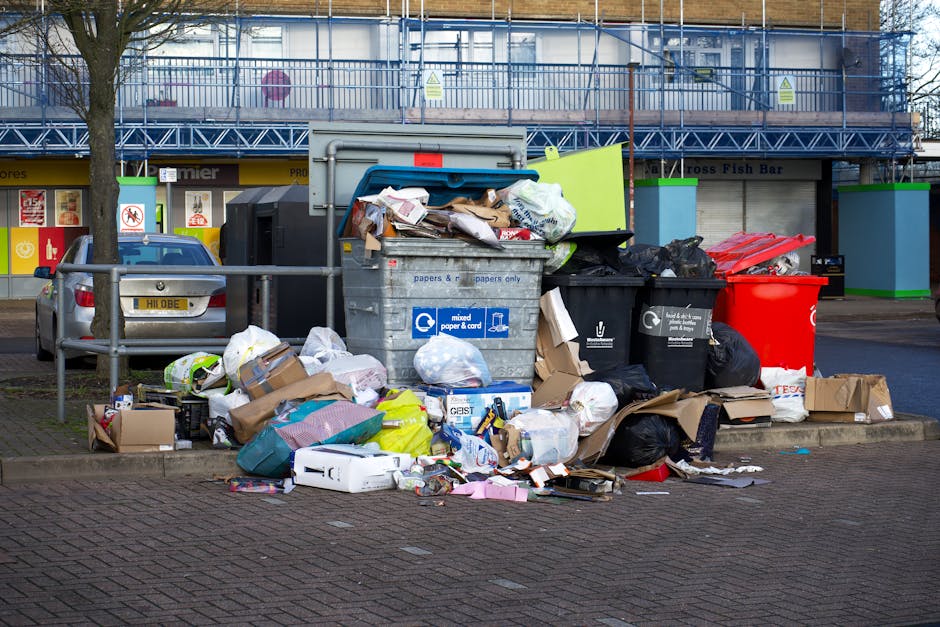
Greenwich Council rules for household rubbish in Charlton
If you live in Charlton, household rubbish rules can feel straightforward one day and oddly confusing the next. One wrong bag, a missed collection day, or a bulky item left out at the wrong time, and suddenly you are dealing with spilled waste, a frustrated neighbour, or a warning note that nobody wants to see on the door. This guide explains Greenwich Council rules for household rubbish in Charlton in plain English, so you can put the right things out, avoid common mistakes, and keep your home clear without stress.
Whether you are sorting an ordinary weekly bin, trying to deal with a bit of overflow after a clear-out, or wondering what happens with items that do not fit neatly into a black sack, the practical details matter. Let's face it, rubbish rules are not exactly thrilling. But getting them right saves time, keeps the street cleaner, and makes life noticeably easier.
For readers who also need help moving larger household items, it can be useful to look at related services such as house clearance, home clearance, or mattress and sofa disposal when an item is too bulky for normal collection.
Table of Contents
- Why Greenwich Council rules for household rubbish in Charlton Matters
- How Greenwich Council rules for household rubbish in Charlton Works
- Key Benefits and Practical Advantages
- Who This Is For and When It Makes Sense
- Step-by-Step Guidance
- Expert Tips for Better Results
- Common Mistakes to Avoid
- Tools, Resources and Recommendations
- Law, Compliance, Standards, or Best Practice
- Options, Methods, or Comparison Table
- Case Study or Real-World Example
- Practical Checklist
- Conclusion
- Frequently Asked Questions
Why Greenwich Council rules for household rubbish in Charlton Matters
The rules matter for two big reasons: cleanliness and compliance. In an area like Charlton, where residential streets can be busy, kerbside space is limited, and neighbours notice what is left outside, rubbish that is put out incorrectly can quickly become an eyesore. Overflowing bins attract seagulls and foxes, bags split, and the whole street gets dragged into someone else's mistake. Not ideal.
There is also the simple fact that household waste is part of a wider system. Collections are scheduled, recycling streams are separated, and the council expects residents to present waste in the right way. If your rubbish is mixed with the wrong materials, it may not be collected at all. That can lead to delays, extra mess, and in some cases a need to arrange an alternative disposal method.
Charlton homes vary a lot too. Flats, terraces, shared houses, and family homes all create different rubbish pressures. A one-bed flat with limited storage has very different waste habits from a family house after a weekend clear-out. The rules are there to keep the system fair, predictable, and manageable for everyone in the neighbourhood.
Practical takeaway: the cleaner your waste is separated before collection, the less likely you are to face missed bins, contamination issues, or last-minute hassle.
How Greenwich Council rules for household rubbish in Charlton Works
At a basic level, the system is simple: put the right waste in the right container, present it on the correct collection day, and avoid mixing recycling with general rubbish. The detail is where people get caught out. A bag that looks "almost recyclable" usually is not. A container that is too heavy may not be collected. And items left outside too early can cause problems before the crew even arrives.
Household rubbish rules in Charlton generally revolve around three practical categories:
- General waste for items that cannot be recycled through normal household collection.
- Recycling for clean, accepted materials such as common household packaging, where the council collection system allows it.
- Bulky or specialist waste for items that do not belong in ordinary bins, such as furniture, appliances, or potentially hazardous materials.
That last category is where many people get stuck. A broken chair, an old fridge, or a mattress does not belong with standard rubbish. If you need to clear those items responsibly, services like fridge and appliance removal or furniture disposal can be a more practical route than leaving them out and hoping for the best. To be fair, hoping is not a disposal strategy.
Timing also matters. Bins are usually expected out by the correct time on collection day, not days in advance. Late presentation can mean a missed collection; early presentation can create obstruction issues. In a place like Charlton, where pavements and frontages are used constantly, that small timing detail can make a real difference.
Key Benefits and Practical Advantages
Following the local rubbish rules is not just about avoiding hassle. It brings a few very real advantages that people feel almost immediately.
- Cleaner streets and shared spaces - less litter, fewer split bags, fewer unpleasant smells on warm days.
- Fewer missed collections - waste is more likely to be taken when it is presented correctly.
- Less contamination - recycling stays cleaner, which helps the whole system work better.
- Lower risk of pest problems - well-contained waste is less attractive to rodents and birds.
- Less personal stress - you do not have to wonder whether you have done the right thing.
There is also a household benefit that often gets overlooked: better organisation. Once people understand what goes where, they tend to waste less time stuffing the wrong items into random bags and then re-sorting everything at the last minute. It sounds minor. It is not. On a busy week, that saves a surprising amount of effort.
If your household generates more waste than normal because of decorating, a move, or a long-overdue declutter, a planned approach is often easier. For larger domestic projects, options such as loft clearance, garage clearance, or garden clearance may be more efficient than trying to squeeze everything into regular bins.
Who This Is For and When It Makes Sense
This guide is for anyone in Charlton who puts out household rubbish for collection, but a few groups will find it especially useful:
- Residents in flats who share bin stores or collection points.
- Families who generate more weekly waste and recycling.
- People moving home and clearing out old belongings.
- Landlords and tenants who need to leave a property tidy.
- Older residents or carers who want a simple explanation of what belongs where.
- Anyone dealing with bulky items that cannot be placed in a normal household bin.
It also makes sense if you have recently had a "clear everything at once" moment. You know the type: a cupboard opens, a pile appears, and suddenly three black bags, an old lamp, two cracked storage boxes, and a broken dining chair are all standing in the hallway like they pay rent. That is usually the point where standard rubbish rules stop being enough.
For multi-room clear-outs, services such as flat clearance, loft clearance, and furniture clearance can help when the amount of waste is beyond ordinary household capacity.
Step-by-Step Guidance
If you want to stay on the right side of the rules, this is the simplest way to think about it.
- Sort waste at source. Before anything goes in a bag or bin, split general waste from recyclable items and separate anything bulky, sharp, or potentially hazardous.
- Check whether the item is ordinary household rubbish. Food waste, packaging, and everyday non-recyclable bits usually belong in regular household waste streams, but old appliances, paint, and heavy debris generally do not.
- Use the correct container. Do not overfill bins or use loose bags if the collection system expects sealed containers. Loose rubbish is a recipe for mess, honestly.
- Keep waste dry and secure. Rain-soaked cardboard, torn sacks, and leaking bags are harder to handle and more likely to be refused.
- Put bins out at the right time. The safest habit is to present them according to the collection schedule, rather than leaving them out overnight unless that is specifically allowed.
- Remove bins promptly after collection. It keeps pavements clear and reduces nuisance for neighbours.
- Arrange a separate solution for bulky items. If it is too large for regular collection, choose a dedicated disposal route instead of improvising.
A helpful way to think about this: if a waste item would make a collection crew pause, lift twice, or guess where it belongs, it probably needs a more specific disposal method.
Expert Tips for Better Results
Small changes usually make the biggest difference. In our experience, the households that have the fewest waste problems are not the ones with the most storage space. They are the ones with a routine.
- Keep a "sorting point" indoors. A spare box or bag for recycling, batteries, and odd bits prevents last-minute confusion.
- Flatten packaging before collection day. It saves space and makes bins easier to manage.
- Do not mix damp waste with dry recycling. A soggy cardboard box can contaminate a whole batch of recyclables.
- Watch for small hidden hazards. Broken glass, loose screws, and shattered plastic can slip through the cracks and cause cuts.
- Use a separate plan for larger move-out waste. A once-a-year clear-out is not the moment to test your household bin capacity.
One very human tip: if you are tackling a cupboard, loft, or spare room, start with the obvious rubbish first. That creates momentum. The sentimental stuff can wait a bit. Sometimes you just need to see the floor again.
If you regularly deal with mixed household waste from renovations or redecorating, it may help to review builders waste clearance and what can go in a skip so you know where household rubbish ends and project waste begins.
Common Mistakes to Avoid
Most rubbish issues in Charlton come from a handful of familiar mistakes. Nothing dramatic. Just the sort of thing that happens when people are in a rush.
- Overfilling bags and bins so lids cannot close properly.
- Leaving items beside the bin because they "do not quite fit".
- Putting non-household waste in regular collections such as appliances, paint, or construction debris.
- Mixing recycling with food waste or liquids and then wondering why it was rejected.
- Putting waste out too early and creating clutter on the street.
- Ignoring heavy or awkward items until they become a safety problem.
One small error can lead to a bigger job later. A split sack becomes litter. A badly placed item can block a shared path. A forgotten bulky object can sit there for days in the drizzle, looking even worse by morning.
Truth be told, most of these problems are avoidable with a bit of planning and a stronger bin bag than the bargain pack that tears if you look at it funny.
Tools, Resources and Recommendations
You do not need much to manage household rubbish well, but a few simple tools help enormously:
- Strong bin bags for general waste that will not rip under normal use.
- Separate containers or boxes for dry recycling, paperwork, and smaller reusable items.
- Storage hooks or labels to keep different waste streams from blending together.
- Work gloves if you are handling broken items or tidying a dusty loft or garage.
- Access to a reliable disposal plan for bulky, old, or specialist household items.
When you are dealing with bigger clearances, it can also help to compare options in advance. The right choice depends on what you are throwing away, how much space you have, and how quickly it needs to go. A one-off furniture clear-out is a different job from removing an entire flat's contents, for example.
For related domestic waste scenarios, these pages can be useful: house clearance, home clearance, furniture disposal, and waste removal.
Law, Compliance, Standards, or Best Practice
While household rubbish rules are often discussed as a local practical issue, they also sit within broader UK waste principles. In plain English, the basics are simple: waste should be stored safely, presented correctly, and dealt with through a lawful route. Residents should not dump waste in public spaces, obstruct pavements, or leave items in ways that create a nuisance or risk to others.
Best practice in this context usually means:
- keeping waste contained and secure,
- separating recyclable materials where possible,
- avoiding contamination of collection streams,
- treating bulky or hazardous waste as a separate category, and
- using legitimate disposal services when household collection is not suitable.
Hazardous materials deserve special care. Paints, chemicals, sharp debris, and certain electrical items should not be treated like normal black-bag waste. If something could leak, break, burn, or injure someone, it needs a more cautious route. That is where a dedicated service such as hazardous waste disposal becomes relevant.
There is also a health and safety angle. Heavy lifting, cracked furniture, broken glass, and cluttered access routes can all cause avoidable injuries. If you are clearing a property, especially one with stairs, tight hallways, or shared entryways, that matters more than people often realise.
For households that want to understand how a disposal provider approaches safety and responsibility, the pages on health and safety policy, insurance and safety, and recycling and sustainability are worth a look.
Options, Methods, or Comparison Table
Different waste situations call for different approaches. Here is a simple comparison to help you choose the most sensible route.
| Method | Best for | Pros | Watch out for |
|---|---|---|---|
| Regular household bin collection | Everyday domestic waste and accepted recycling | Simple, familiar, low effort | Limited space, contamination, missed collection if overfilled |
| Bulky item disposal | Furniture, mattresses, white goods, awkward items | Better suited to large objects, less stress at kerbside | May need booking or a separate service |
| House or flat clearance | Moves, downsizing, end-of-tenancy clear-outs | Cleans up multiple item types in one go | Requires planning and access |
| Skip-based disposal | Larger volumes of mixed waste from a project | Good for bigger jobs and staged loading | Needs space and careful loading rules |
| Specialist waste removal | Appliances, hazards, confidential items, mixed difficult waste | Safer and more compliant | Choose the right service for the item type |
If you are unsure, the key question is very simple: is this ordinary household rubbish, or is it something that needs a separate handling route? That one question clears up more confusion than people expect.
Case Study or Real-World Example
Picture a typical Charlton household on a damp Saturday morning. The kitchen is fine, the recycling is sorted, but the hallway has become a temporary storage zone for three bags of mixed waste, an old microwave, and a wardrobe shelf that snapped during a move. It is not exactly a disaster, but it is awkward.
The first instinct is often to squeeze everything into the normal bin. That usually backfires. The bin lid will not close, the bags sit beside it, and by Monday the street looks untidy. A better approach is to split the items properly: general household waste into the bin, recyclable packaging flattened and kept dry, and the microwave treated as a separate appliance item rather than a regular bag of rubbish.
Once the household does that, the problem gets smaller fast. The hall clears. The bin is usable again. There is no guessing about what should go out when. It is a tiny bit of effort at the start that saves a much bigger headache later. And yes, the room feels calmer too. You notice that straight away.
For situations like this, a planned clear-out route works better than improvisation. If the waste has built up into a proper project, services such as flat clearance or furniture clearance can reduce the pressure on ordinary household collections.
Practical Checklist
Use this quick checklist before collection day or before arranging a bigger disposal job.
- Have I separated general waste from recycling?
- Are all bags tied securely and not overfilled?
- Have I kept damp or dirty materials away from clean recyclables?
- Is anything bulky, heavy, sharp, or awkward being handled separately?
- Have I checked that bins will be presented on time?
- Will the pavement, shared entrance, or communal area stay clear?
- Do I need a specialist route for furniture, appliances, or hazardous items?
- Have I removed bins promptly after collection?
- Would a one-off clearance service be more practical than waiting for regular collection?
If you can tick most of those boxes, you are probably in good shape. If not, no drama. Just adjust before the next collection and keep it simple.
Get a free quote today and see how much you can save.
Conclusion
Greenwich Council rules for household rubbish in Charlton are not complicated once you understand the basic logic: sort properly, present waste correctly, and treat bulky or hazardous items as separate from everyday rubbish. That approach keeps streets tidier, collections smoother, and household routines far less frustrating.
Most waste problems start small. A bag left too long. A box that should have been flattened. A chair shoved beside the bin because there was "nowhere else" for it. But with a bit of structure, those small problems stay small. That is the real benefit here. Less mess. Less uncertainty. More breathing room at home.
If you are dealing with more than standard household rubbish, or you simply want a clearer, safer way to manage a larger clear-out, the next step is to look at the disposal route that fits the item, not just the nearest bin. It makes the whole job lighter. And honestly, life is easier when the rubbish is under control.
Frequently Asked Questions
What are the basic Greenwich Council rules for household rubbish in Charlton?
The basic rules are to separate general waste from recycling, use the correct container, present bins on the right day, and avoid putting bulky or hazardous items into ordinary household rubbish.
Can I leave extra bags next to my bin if it is full?
Usually, that is not the best idea. Extra bags can be missed, torn open, or rejected. If you regularly have overflow, you may need a better sorting system or a separate disposal solution.
What should I do with old furniture in Charlton?
Furniture should not normally go into standard household rubbish. A dedicated route such as furniture disposal, furniture clearance, or house clearance is usually more suitable.
How should I deal with a broken fridge or appliance?
Appliances need a separate disposal method. A service like fridge and appliance removal is the safer, more practical route than putting it out with general waste.
Can I put broken glass in the household bin?
Small amounts may be accepted if they are securely wrapped, but it depends on the item and the collection system. Handle glass carefully, label it if needed, and never leave exposed sharp edges in loose bags.
What happens if recycling is contaminated?
Contaminated recycling may not be collected, or it may be treated as general waste. Wet paper, food residue, and mixed items are common causes of contamination.
Do I need a skip for a household clear-out?
Not always. A skip can be useful for larger projects, but for mixed household items or bulky furniture, other options may be simpler. It depends on volume, access, and what you are throwing away.
How can I clear waste from a flat with limited space?
In flats, space and access are the main issues. Flat clearance can be a practical choice if ordinary bins are not enough and you need everything removed in one visit.
Are hazardous household items treated differently?
Yes. Items like chemicals, certain cleaners, and some damaged electrical items need special care. They should not be mixed with normal household rubbish.
What is the easiest way to avoid missed collections?
Keep waste sorted, use the correct bin, avoid overfilling, and put bins out at the right time. A simple routine usually works better than trying to remember it all at the last minute.
Can I get help with larger household waste in Charlton?
Yes. If your rubbish goes beyond normal collections, you can look at home clearance, waste removal, or furniture disposal depending on the items involved and how much needs to go.
Why does my bin sometimes not get collected?
Common reasons include contamination, overfilled containers, incorrect placement, or waste that should have gone into a separate disposal stream. It is frustrating, but usually fixable once the issue is identified.
For more information about the company and the way services are handled, you can also review about us, pricing and quotes, and contact us if you need a practical next step.