Health & Safety Policy for Commercial Waste Charlton
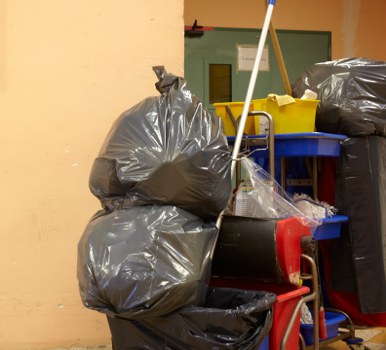 Commercial Waste Charlton is committed to maintaining the highest standards of health, safety and environmental protection across all rubbish collection Charlton operations. This policy sets out the principles and procedures that govern safe working practices for our staff, contractors and any visitors to operational sites. The objective is to prevent injury and ill health, minimise risks associated with commercial waste handling, and ensure consistent compliance with applicable safety requirements without referencing local statutes by name. Our approach balances practical on-the-ground controls with clear responsibilities and ongoing review.
All employees and managers engaged in Charlton commercial waste activities must understand their roles in implementing this safety strategy. The policy applies to all stages of commercial refuse removal, transfer, storage and transport whether on client premises, at our depots or during transit. It emphasises hazard identification, risk assessment and the application of proportionate controls to eliminate or reduce exposure to harm. Safety is integral to service delivery, not an optional add-on, and will be measured through routine monitoring.
 The core commitments include a duty to provide safe systems of work, suitable equipment, and adequate training. We will actively manage risks associated with heavy lifting, manual handling, vehicle loading and unloading, interaction with hazardous materials, and slip, trip and fall hazards commonly present in the waste industry. Personal protective equipment (PPE) will be supplied and its use enforced where risk assessments identify it as necessary. Regular maintenance of plant, machinery and collection vehicles will reduce mechanical failure risks and associated injuries.
Responsibilities and Safe Working Procedures
Managers are responsible for ensuring risk assessments are completed and that their teams follow documented safe working procedures. Employees are required to report hazards, follow instructions and participate in training. Contractors engaged for specialist removal or treatment must demonstrate competence and adherence to our health and safety standards. Communication channels will be maintained so that operational changes or emerging risks are shared promptly with front-line crews and office teams.
 Risk control measures are implemented using a hierarchy: elimination, substitution, engineering controls, administrative controls and PPE. Practical examples include segregating recyclable from non-recyclable waste at source to reduce hazardous mixing, using mechanical aids for lifting bulky commercial items, and establishing exclusion zones during vehicle manoeuvres. For hazardous or potentially hazardous loads, additional containment, documentation and handling protocols will be followed to protect personnel and the environment.
Operational checklists and permit-to-work systems will be used for high-risk tasks. Emergency response procedures are defined for incidents such as chemical spills, fire, vehicle collisions or significant injuries. First aid provision, incident reporting and investigation processes ensure lessons are captured and used to prevent recurrence. Incident records will be maintained and reviewed periodically to identify trends.
Training, Monitoring and Continuous Improvement
Training is essential for safe commercial refuse operations. All staff involved in commercial waste in Charlton will receive induction training, task-specific instruction and periodic refresher sessions. Training covers manual handling, vehicle safety, segregation of waste streams, asbestos awareness for those likely to encounter suspect materials, and procedures for dealing with sharps and biohazard waste. Competence is assessed and documented to ensure consistent capability across crews.
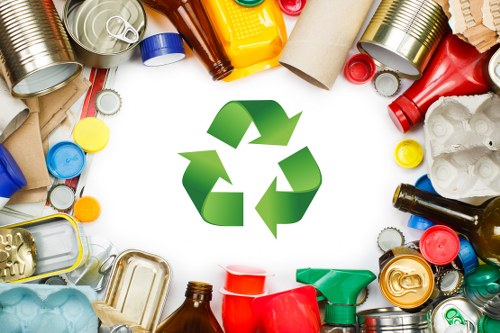 Performance is monitored through workplace inspections, vehicle checks, safety audits and routine toolbox talks. Supervisors will carry out pre-shift checks and record outcomes. Corrective actions are assigned with clear timescales and tracked until closure. Behavioural observations support a positive safety culture and reinforce safe habits during day-to-day rubbish collection operations.
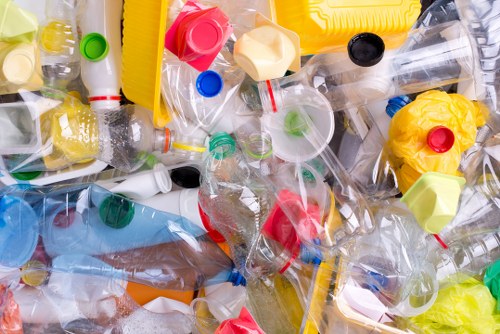 The policy is reviewed at least annually and after significant events or organisational changes. Feedback from staff and stakeholders informs continuous improvement activities, while our management team ensures resources remain available to meet safety commitments. Environmental protection is integrated with health and safety, recognising that safe handling and segregation of waste reduce contamination risks. The organisation will cooperate with relevant regulators and industry bodies when required, and adopt best practices that advance the safety of commercial waste services.
Record keeping supports transparency and accountability: training logs, risk assessments, maintenance records and incident reports are retained for review. Where specialist waste streams are encountered, appropriate documentation accompanies the load to ensure traceability and safe disposal. Regular reviews of procedures and performance targets help align operational practice with the stated policy objectives for Charlton commercial waste operations.
Everyone engaged in rubbish removal Charlton activities must take personal responsibility for safety by following procedures, using provided equipment correctly and reporting concerns. Leadership will set expectations, allocate responsibilities and ensure that safe practice is recognised as essential to quality service delivery. This policy is an integral part of our operational management and will be enforced consistently.
By adopting these measures, Commercial Waste Charlton aims to protect people, assets and the environment while delivering reliable commercial waste collection and disposal services. The policy is supported by specific procedures and local operating instructions that reflect the nature of different waste streams and operational contexts.
