Small business rubbish removal for Charlton shops and offices
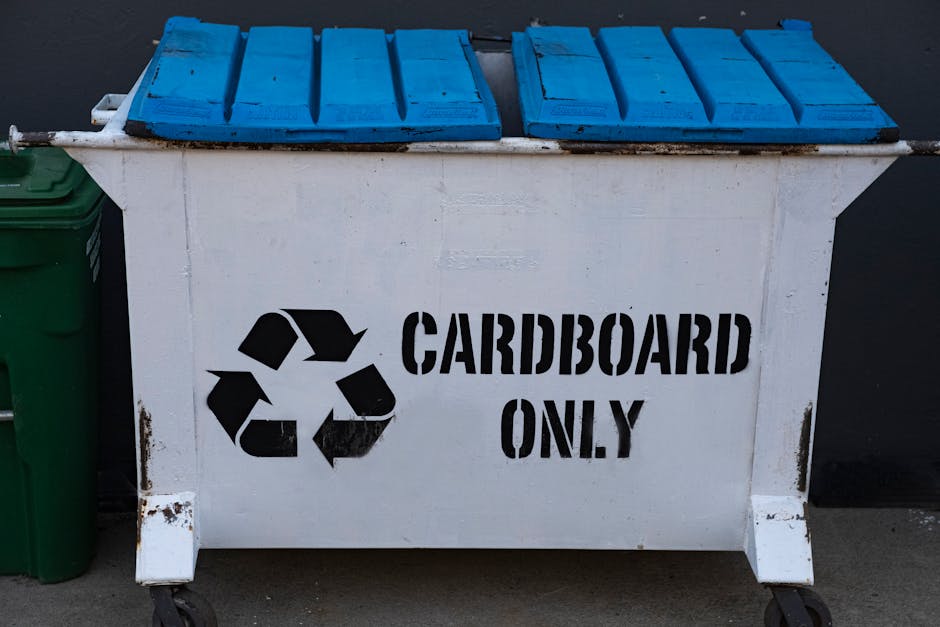
Running a shop or office in Charlton means dealing with the ordinary chaos of business life: packaging stacking up behind the till, broken chairs in a back room, old stock taking over a corner, or a printer that has finally given up without warning. Small business rubbish removal for Charlton shops and offices is the practical way to clear that waste quickly, keep the premises usable, and avoid the sort of clutter that quietly slows everything down. Not dramatic, not glamorous, just necessary.
If you manage a busy little office, a high-street unit, a cafe back office, or a trade counter with limited storage, waste has a habit of appearing faster than you can deal with it. And truth be told, most business owners do not want a long, messy interruption. They want a clear plan, a fast uplift, and confidence that the rubbish is handled properly. This guide walks through how the service works, what it is best for, and how to choose the right approach for your Charlton business.
Why Small business rubbish removal for Charlton shops and offices Matters
Waste is one of those problems that looks minor until it starts eating up time, space, and attention. A back office full of outdated equipment or a shop floor with boxes waiting to be broken down can make a business feel cramped and disorganised. Customers notice that, even if they do not say it out loud. Staff notice too. Nobody works brilliantly when they have to step around old furniture all week.
For Charlton businesses, the challenge is often space. Many small shops and offices do not have generous storage areas, and loading bays or rear access can be tight. That makes ad hoc rubbish disposal more awkward than it sounds on paper. A structured waste removal service helps keep things moving without turning the working day into a logistics puzzle.
There is also the question of presentation. A neat workspace supports a professional image. Whether you welcome customers into a storefront or hold meetings in a compact office, the atmosphere matters. Clean premises suggest order, care, and competence. Messy premises? Well, let's face it, they make people wonder what else is being neglected.
In practice, small business rubbish removal supports three things at once: day-to-day operations, customer experience, and compliance. That last part is easy to overlook, especially when you are focused on sales and service, but it matters just as much as the visible clutter.
Expert summary: For Charlton shops and offices, rubbish removal works best when it is treated as part of business operations, not an afterthought. The right system saves time, reduces disruption, and keeps your premises safer and easier to run.
If you are already sorting general commercial waste, it can help to look at broader support too, such as business waste removal for routine collections and general waste removal when you need a more flexible clear-out.
How Small business rubbish removal for Charlton shops and offices Works
The process is usually simpler than people expect. You identify what needs removing, book a collection, and a team arrives to load and take away the waste. The important part is not the lifting itself; it is matching the service to the type and volume of rubbish so nothing gets missed or mixed inappropriately.
Most small business clearances fall into a few practical categories:
- Shop waste: packaging, display materials, shelving, damaged stock, old point-of-sale items, and unwanted fixtures.
- Office waste: desks, chairs, filing cabinets, monitors, cabling, archived papers, and broken equipment.
- Storage overflow: items sitting in the stockroom, basement, or rear yard because there has been no time to deal with them.
- Refit and refresh waste: waste created during a layout change, minor refurbishment, or end-of-lease tidy-up.
Usually, the service starts with an estimate based on what you have, how accessible it is, and how much labour is involved. That matters because a small amount of light packaging is very different from hauling out multiple heavy cabinets from a first-floor office with no lift. Same business, very different job.
In many cases, the collection is done on-site in a single visit. For a busy shop, that may mean early morning, before opening, or after closing, so the work does not interfere with customers. For offices, a late-afternoon or weekend slot can be a sensible choice. Small detail, big difference.
When the waste includes furniture or electronics, it often helps to plan the clearance alongside other specialist services. For example, a business replacing workstations may also need office clearance, and a retail unit clearing stockroom furniture may find furniture disposal or furniture clearance useful depending on the mix of items.
And if you are dealing with confidential documents, that is a separate step entirely. Don't just throw them in with the rest. Use a proper confidential shredding service where needed.
Key Benefits and Practical Advantages
The obvious benefit is that the rubbish goes away. Fair enough. But the deeper value is in what that removal enables. A clear back room means easier stock handling. A tidier office means fewer trip hazards and less distraction. A cleared storefront can be merchandised properly again instead of being used as a holding pen for things nobody wants to decide on.
1. Less disruption to trading
A good rubbish removal plan keeps the business running while the clear-out happens. That matters for Charlton shops where footfall can be uneven and every trading hour counts. You do not want a queue of waste bags blocking the entrance or a team of staff spending half the morning moving items around each other.
2. Better use of tight space
Many small businesses are working with limited square footage. In that context, one old filing cabinet or a pile of cardboard can create a surprising bottleneck. Remove it, and suddenly the room breathes again. Simple, but effective.
3. Safer working conditions
Loose waste, sharp edges, broken furniture, and stacked boxes all create risks. The safety issue is not always dramatic; often it is just a bruised shin, a blocked exit, or a bit of clutter in the wrong place. Over time, that adds up. If your clearance includes heavier items, it is worth checking the provider's insurance and safety approach and their health and safety policy.
4. Easier compliance and better record-keeping
Businesses need to think about where waste goes, who handles it, and whether it is being managed responsibly. That does not mean you need to become a waste expert, thankfully. It does mean you should use a service that can explain its process clearly and handle materials responsibly.
5. A cleaner impression for customers and staff
People feel the difference. A tidy environment tends to reduce friction and improve morale, even if nobody says it directly. The room just feels better. More usable. More "let's get on with it" and less "where on earth do we put this?"
| Outcome | What it looks like in practice | Why it matters |
|---|---|---|
| Less clutter | Old stock, broken chairs, and surplus packaging removed | Improves space and workflow |
| Faster turnaround | Waste collected in one planned visit | Reduces time spent managing mess |
| Better safety | Walkways and exits kept clear | Helps lower everyday site risks |
| More professional appearance | Shops and offices look organised | Supports customer confidence |
Who This Is For and When It Makes Sense
This service is not only for large companies. In fact, smaller firms often need it more urgently because they have less room to absorb the mess. If you run a Charlton cafe with a tiny back office, a retail unit with a stockroom, a solicitor's office with old archive furniture, or a salon that has finally replaced old styling chairs, you are exactly the kind of business this is for.
It also makes sense during moments of transition. You know the type. New staff. New layout. New lease. New ownership. Suddenly there is a lot of "we should probably sort that out" energy in the air. That is usually the moment when waste builds up, because everyone is busy and nobody owns the pile.
Here are common situations where small business rubbish removal is a good fit:
- End-of-tenancy or end-of-lease clear-outs
- Office moves or partial relocations
- Shop refits and room reorganisations
- Replacing broken furniture or equipment
- Seasonal stock changes that leave excess packaging or display material
- Clearing a store room, basement, or rear yard
- Removing mixed bulky waste after a long period of accumulation
If you have only a few bulky items, a focused uplift may be enough. If the space is packed from one end to the other, you may need a broader clearance plan. For mixed debris after a small fit-out, builders waste clearance can also be relevant, especially where offcuts, fixtures, and renovation debris are involved.
And if the waste includes appliances, there is no point improvising. A fridge or similar item should be handled through fridge and appliance removal. Saves hassle, saves time. Saves that awkward "where do we leave this now?" moment too.
Step-by-Step Guidance
If you want the process to feel straightforward, it helps to break it down before you book anything. A little preparation on your side can make the collection quicker and often more cost-effective.
- Walk through the space. Check the shop floor, stockroom, office, kitchen, corridor, and any rear or basement storage. Make a proper note of everything that needs to go.
- Separate waste into obvious groups. Bulky furniture, general junk, confidential paperwork, appliances, and anything potentially hazardous should not all be treated the same.
- Identify access issues. Think about stairs, narrow doorways, loading points, parking, and whether the team can get close to the items. This sounds minor, but it changes the job quite a bit.
- Estimate volume realistically. Most people under-estimate. It is almost a tradition. If in doubt, be a bit generous with your estimate rather than assuming it is "only a few bits."
- Book a suitable time slot. Choose a time that suits trading hours and staffing levels. Early starts are often calmer for shops; later slots may suit offices better.
- Move sensitive or valuable items aside. Keep items you want to retain clearly separated so they are not accidentally cleared.
- Check the end state you want. Do you want the room fully emptied, or just a particular area cleared so you can re-use the space immediately?
A useful habit is to prepare a simple room-by-room list. It takes ten minutes and prevents confusion later. I have seen many clearances go smoother simply because someone wrote "back office: 2 chairs, 1 desk, 4 boxes, 1 old printer" instead of waving vaguely at a corner and saying "the usual stuff."
If you are booking online, it can help to start with book online and then use the quote process to explain what is being removed. For pricing questions, the most relevant page is pricing and quotes.
Expert Tips for Better Results
Small business clearances are usually easier when the customer does a little prep. Nothing fancy. Just sensible groundwork that avoids wasted time on the day.
- Group items by type. Keep furniture together, paper waste together, and loose junk together. It helps the crew work faster and reduces back-and-forth.
- Clear a route before the team arrives. Move stock, floor stands, or boxes that block the path. You will notice the difference immediately.
- Flag anything awkward in advance. Heavy safes, awkward shelving, fragile displays, or items in a locked room should be mentioned early.
- Keep clear labels on items to retain. Particularly in offices, it is easy for "temporary storage" to become permanent. Label what stays and what goes.
- Schedule around quiet periods. A Tuesday morning might be perfect for one business and terrible for another. Know your rhythm.
- Ask about recycling. Responsible disposal is more than just removal. A sensible provider should be able to talk about sorting and recycling where appropriate, and their recycling and sustainability approach should be easy to understand.
One small but important tip: keep a short photo record before the clearance. Not because you expect problems, but because it helps you confirm what was in the room and what was removed. Handy if you are trying to keep track of a refit or a move. Bit old-school, but useful.
If you are dealing with items that are similar to domestic furniture but used in a business setting, the right service may still be one of the furniture-focused options. A well-matched clearance tends to be smoother than trying to squeeze everything into a generic waste collection.
Common Mistakes to Avoid
Most waste problems in small businesses come from delay, not bad intent. Things get put in a corner for a week, then a month, then suddenly you are staring at a pile that feels oddly personal. Avoid that spiral where you can.
Mixing different waste types without checking
General rubbish, confidential paper, electronics, and potentially hazardous items should not all be bundled together by default. Some materials need separate handling, and mixing them can create extra cost or delay.
Underestimating access problems
A clear-out that looks small from the doorway can become awkward once you factor in narrow staircases, restricted parking, or a back entrance that is not really suitable for heavy lifting. Mention this early.
Leaving it until the last minute
In offices especially, people often wait until a move or inspection date is very close. Then everything becomes urgent. That is stressful, and it rarely leads to the best result.
Forgetting about bulky specialist items
Fridges, freezers, and some appliances need proper handling. So do certain waste streams that fall outside standard removal. If the clearance includes anything unusual, ask before collection rather than hoping for the best.
Assuming all rubbish removal is the same
It really is not. The right provider will understand business waste, access, safety, and disposal requirements. A service tailored to offices is not automatically right for a shop storeroom, and vice versa.
Not checking what happens after collection
Business owners do not need a lecture on waste processing, but they do deserve clear answers. Where possible, ask how items are sorted and whether the provider can explain its disposal approach in plain English. Straight answers build trust. Funny how that works.
Tools, Resources and Recommendations
You do not need a complex system to manage small business rubbish removal well. A few simple tools and habits are usually enough.
- Room inventory list: a short written list of what needs removing and what must stay.
- Photo notes: helpful for identifying bulky items and awkward access points.
- Colour-coded labels or tape: useful when staff are sorting keep, remove, and unsure items.
- Basic measuring tape: handy for checking whether a desk, cabinet, or appliance will fit through a doorway.
- Central holding area: one clearly marked place where waste can be gathered before collection.
For business owners who want to understand the wider service landscape, the most useful starting points on the site are usually waste removal, business waste removal, and the service page for office clearance if you are managing a work premises. If you are unsure which service matches your waste mix, that is often the best place to begin.
For customer confidence, it also helps when a provider is transparent about payment and safety. Pages such as payment and security and insurance and safety are reassuring because they show the practical side of doing the job properly.
Law, Compliance, Standards, or Best Practice
Waste handling for businesses should always be approached carefully. You do not need to memorise regulations to run a small shop or office, but you should use a provider that takes duty of care seriously and can explain its disposal process clearly. That is standard good practice in the UK, and it matters especially when waste is being taken off-site by a third party.
For office environments, data security is another important consideration. Paper records, hard drives, memory devices, labels, and packaging with sensitive information should not just be tossed into a mixed pile. A proper confidential shredding process can reduce risk and avoid a lot of unnecessary worry.
Health and safety is not only about heavy lifting. It also covers route planning, safe loading, personal protective equipment, and the handling of awkward or sharp items. If a provider is vague about those basics, that is a caution sign. Not panic, just a sign to ask more questions.
Where there are appliances, refrigerants, or potentially hazardous materials, the job may require specialist attention. In those cases, use the right route rather than treating it like ordinary junk. For unusual waste streams, the pages on hazardous waste disposal and appliance removal are the sensible reference points.
Best practice, in simple terms, is this: identify the waste properly, separate anything sensitive or specialist, choose the right service, and make sure the collection is documented well enough for your own records. That is enough for most small businesses, and it keeps things tidy without becoming a paperwork mountain.
Options, Methods, or Comparison Table
There is more than one way to clear waste from a small business. The right method depends on volume, urgency, the type of waste, and how much disruption you can tolerate. Here is a simple comparison.
| Method | Best for | Advantages | Trade-offs |
|---|---|---|---|
| Scheduled business waste collection | Regular daily or weekly rubbish | Predictable and easy to manage | Not ideal for one-off bulky items |
| Ad hoc rubbish removal | Occasional clear-outs and overflow | Flexible and fast | May require more preparation |
| Office clearance | Furniture, equipment, files, and mixed office waste | Good for relocations or refurbishments | Needs more planning than basic waste collection |
| Specialist item removal | Fridges, appliances, confidential waste, or heavy items | Handles tricky items safely | Not suitable for every type of general rubbish |
For some businesses, the answer is a blend of services. A shop might use routine business waste collection, then book a one-off clear-out after a refit. An office might need general removal now and confidential shredding later in the month. That is normal. Nothing wrong with mixing methods if the waste types are genuinely different.
If your premises is undergoing a larger upgrade, it can also be worth checking the guidance on builders waste clearance so you know whether construction debris is being handled separately from furniture and general rubbish.
Case Study or Real-World Example
Picture a small Charlton office above a retail unit. Nothing huge. Six desks, three filing cabinets, a few broken monitors, cardboard from a recent equipment delivery, and a cupboard full of items that were meant to be sorted "next week." That next week never arrived. Classic.
The team had a deadline looming because new staff were starting on Monday morning. The obvious risk was turning the first day into a scramble of cables, chairs, and misplaced boxes. Instead, the office manager made a simple room list, separated confidential papers from general waste, and flagged the heaviest items in advance. The clearance was booked for late Friday afternoon so the space could be reset over the weekend.
On the day, the collection was quicker than expected because the path to the lift was already clear and the items were grouped together. The office looked different almost immediately. More open. Less tense. You know that feeling when a room suddenly stops arguing with you? It was like that.
The biggest lesson was not about the removal itself. It was about preparation. A little sorting ahead of time made the whole process smoother, safer, and cheaper than if everything had been dumped in one mixed pile and left for the crew to untangle.
That is usually what good small business rubbish removal looks like in real life: not dramatic, just organised enough to make the business feel easier to run.
Practical Checklist
Use this checklist before you book a collection for your Charlton shop or office.
- List all items that need removing.
- Separate general waste from confidential papers and specialist items.
- Check access routes, stairs, parking, and loading points.
- Measure any bulky items if there is a chance they are awkward.
- Decide whether the clearance needs to happen outside trading hours.
- Keep items you want to retain clearly marked and out of the way.
- Ask about recycling and disposal methods.
- Confirm any insurance, safety, or documentation details that matter to your business.
- Set aside a clear space for the collection team to work.
- Make sure staff know what is being removed so nothing important gets swept up by mistake.
If you are handling larger or mixed business waste, it can be useful to compare the clearance with the site guidance on what can go in a skip. Even if you are not using a skip, that page can help you think clearly about waste types and separation.
Conclusion
Small business rubbish removal for Charlton shops and offices is really about control. Control over space, timing, safety, and the way your premises feels to staff and customers. Once the clutter is gone, it is much easier to focus on the work that actually pays the bills, which is the point, after all.
The best results usually come from a simple formula: identify the waste properly, plan the access, separate sensitive or specialist items, and choose a provider that understands business needs rather than treating every load the same. Do that, and a stressful clear-out becomes a manageable task. Sometimes even a relief.
If you want to learn more about the company behind the service, you can also read about us or review the practical details before arranging a job. And if you are ready to sort things properly, the next step is straightforward.
Get a free quote today and see how much you can save.
Frequently Asked Questions
What counts as small business rubbish removal for Charlton shops and offices?
It usually covers the removal of general business waste, bulky items, broken furniture, packaging, old stock, and unwanted office or shop items from smaller commercial premises. If the waste has built up over time, a one-off clearance is often the easiest route.
Is this the same as regular business waste collection?
Not quite. Regular business waste collection is for ongoing rubbish streams, while rubbish removal is usually a one-off or occasional clearance of bulkier or accumulated waste. Many businesses use both.
Can you remove office furniture and equipment too?
Yes, in many cases. Desks, chairs, cabinets, shelving, and similar items are often part of an office clearance. If you are replacing a full set of furnishings, a broader office clearance is usually the right fit.
Do I need to sort the waste before collection?
Basic sorting helps a lot. It is especially useful to separate confidential documents, appliances, and anything heavy or awkward. A bit of preparation makes the collection quicker and less stressful.
What if my shop has very limited access?
That is common in Charlton, honestly. Narrow entrances, stairs, and awkward rear access are all workable, but they should be mentioned in advance so the collection can be planned properly.
Can confidential paperwork be removed with other waste?
It should be handled separately. Confidential paper and records are better managed through a proper shredding route rather than mixed into ordinary rubbish. That reduces the risk of data exposure.
Are appliances like fridges or freezers included?
They may be, but they usually need specialist handling. A dedicated appliance service is the safer approach, especially if the item is bulky or has special disposal requirements.
How long does a small business clearance take?
It depends on the volume of waste, the type of items, and the access to the premises. A few bulky items can be quick, while a packed office or stockroom will naturally take longer.
What should I ask before booking a rubbish removal service?
Ask what types of waste they can take, how they handle recycling, whether they are insured, what access they need, and whether any items require separate handling. Clear answers are a good sign.
Is this suitable for end-of-lease clean-outs?
Yes, very much so. End-of-lease jobs are one of the most common reasons small businesses book rubbish removal, especially when there is furniture, packaging, and old equipment to shift quickly.
Will the service help with mixed waste from a small refit?
Often yes, although mixed refit waste may also involve specialist handling if there is construction debris. In those cases, builders waste clearance may be part of the picture.
How do I know if I need a clearance rather than a skip?
If you want someone to collect, load, and remove the waste without managing a skip yourself, clearance is usually more convenient. If you want to read more about what can fit into a skip, the site's guidance on what can go in a skip may help you compare options.
Charlton businesses do not need perfect systems. They just need waste handling that works quietly in the background and does not get in the way of the day. Get that right, and everything else feels a bit lighter. That counts for a lot.